

|
 |
 |
 |
How to be Organic - First Steps

Interest in organic gardening has blossomed in the last few years. The idea of using as few manufactured chemicals as possible is something that appeals to many gardeners, both young and old alike. The broad philosophy behind organic methods is to take a holistic view of gardening. This naturally takes into account: 1. The interdependence of all life forms in your garden. 2. Conserving natural resources. 3. Avoiding pollution and health hazards. 4. Establishment of a balanced ecological habitat for plants, animals and humans. Here's an overview of first principles of going organic, each step talking about a principle or feature of organic gardening which will help you.
|
|
|
|
 |
 |
 |
|
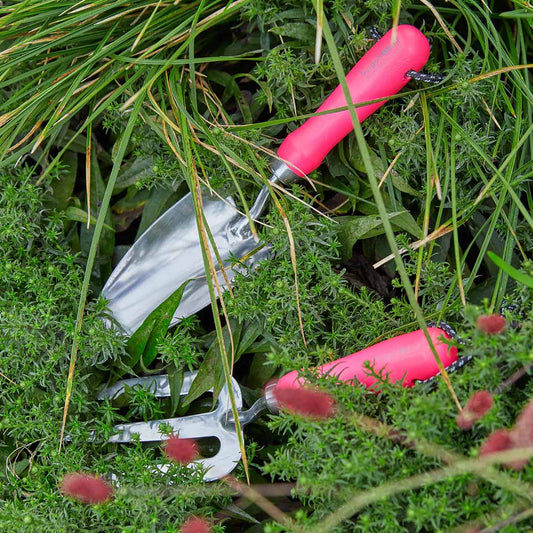
Hand tools; organic mulch; black plastic sheet.
|
|
 |
 |
 |
 |
 |
|
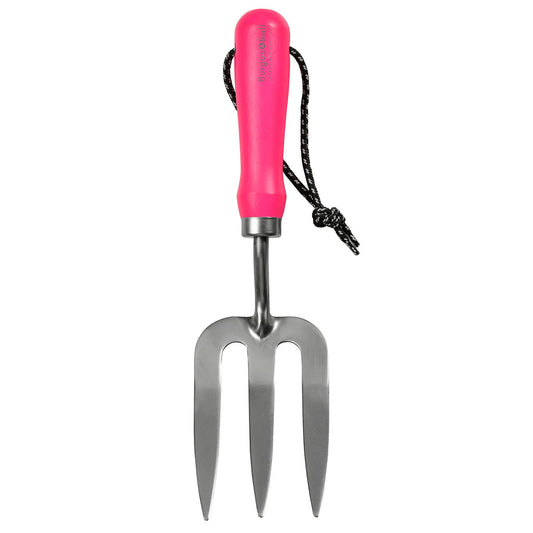
If you have inherited an overgrown garden, or plan to create a new garden, you'll need to clear the ground of weeds. To do this, you will have to remove every piece of perennial weed from the area, using a fork. Covering the whole area with old carpet, black plastic or similar material is another organic option. But this will have to be left for at least two full growing seasons. For further information on dealing with persistent weeds see Workshop: How to deal with persistent weeds.
|
|
 |
 |
 |
 |
|
A major aim of organic gardening is to keep cultivation to a minimum. This preserves and increases the natural fertility of your soil and reduces weeds. You will rely on manures and other organic fertilisers - that is, derived solely from the remains of plants and animals- to help you to improve and maintain a good soil structure.
|
|
 |
 |
 |
 |
|
One form of this is called the no-dig system. Working your garden soil encourages weeds to flourish. Too much digging and treading on soil can cause natural structure to deteriorate. The good news is that this method lives up to its name and once you get started, you'll be doing most of your gardening with a trowel. No-dig cultivation makes great use of mulches for suppressing weeds and conserving moisture.
|
|
 |
 |
 |
 |
|
On a bed cleared of all weeds, spread a 15 - 20 cm layer of garden compost. Cover this with black plastic, old carpet, landscape membrane, fixing these down securely over the growing medium. Space out the plants or vegetables you want to grow in this spot. Use a garden knife to cut crosses in the mulch and plant your plants through these holes. If you plan to grow Seed Potatoes using this method, make the layer of compost at least 20 cm deep. Push the tubers down to the bottom of this layer through the holes in the fabric mulch. The leaves of the potatoes will soon cover this. To improve the look of a mulched area, cover plastic or other membrane with a layer of bark or gravel.
|
|
 |
 |
 |
 |
|
Alternatively you can use a deep bed system. Cultivate your ground thoroughly, digging in plenty of organic material. With your spade blade, scratch out the edges of the bed you will cultivate. Make the bed no more than 1.5 m wide. This means that you can work it without trampling the soil. You'll be able to plant very densely, because your soil condition is so much better than in a conventional bed. Mound the surface of this smaller space using topsoil from the area around, so that the growing bed is slightly raised. For good looking deep beds, give them an edging made form treated timber planks. See Workshop: How to make timber edged borders.
|
|
 |
 |
 |
 |
|
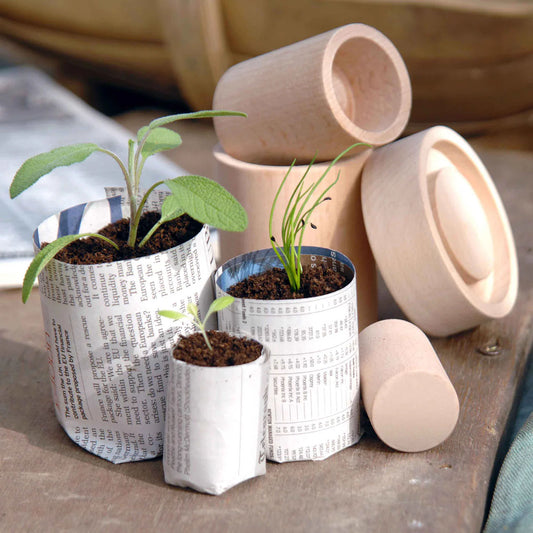
Pest control is just as important in an organic garden. The following will help: 1. Moisture retaining mulches help to keep powdery mildew from crops and ornamental. 2. Grow your seedlings on in pots and planting out good healthy stock that establish rapidly. 3. Practice crop rotation, see Workshop: How to plan a vegetable patch. 4. Some vegetables can be sown once the danger of seasonal pest have passed - turnips, swedes. 5. Low level screens, made from horticultural fleece, around your carrots will help to protect them from carrot fly. 6. Set beer traps for slugs. 7. Pick off by hand pests such as cabbage caterpillars on small areas of brassicas. 8. Give plants enough space to grow without overcrowding. 9. Remove and destroy diseased plant material before making your new seasons plantings. 10. Try companion planting - that is alternating vegetable crops - to reduce the incidence of pests.
|
|
 |
 |
|
 Cover soil with mulch and then black plastic |
 Make holes in plastic for plants |
 Cover over plastic and around plants with compost |
|
|
|
|
 |

|
Subscribe to receive special offers
|

 |
 |
To be notified of exclusive offers Follow Us On: |
 |
 |
 |
 |
 |
 |
 |
| We now accept PayPal payments |
 |
 |
 |
|


|
Phone Calls Welcome!
|
|
|
0845 345 0728
|
We are happy to answer any questions you may have during office hours. Bulk discounts available.
|
|
|
|