

|
 |
 |
 |
How to do autumn maintenance of a lawn

Lawns are living plants and after a summer of mowing, heat (hopefully!), games and general backdrop duties, they need some restorative treatment. Not only will their visual appeal be maintained, but some of these tasks help to keep problems away. You'll need to remove fallen leaves from your lawn, as these will cause it to go brown. Even if you don't do anything more extensive, a good scratch over with a lawn rake and application of fertilizer is worth taking the trouble to do.
|
|
|
|
 |
 |
 |
|
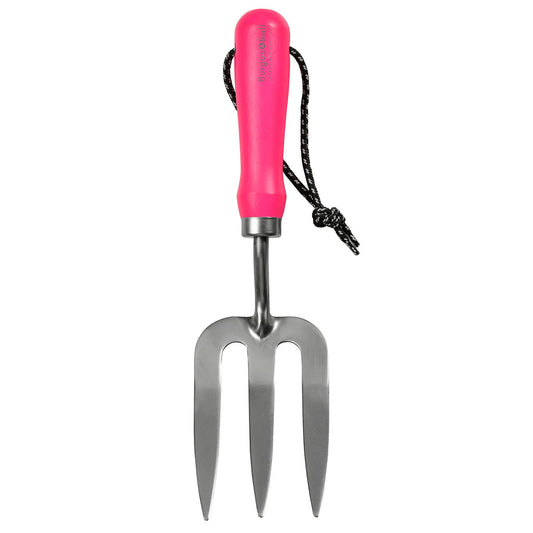
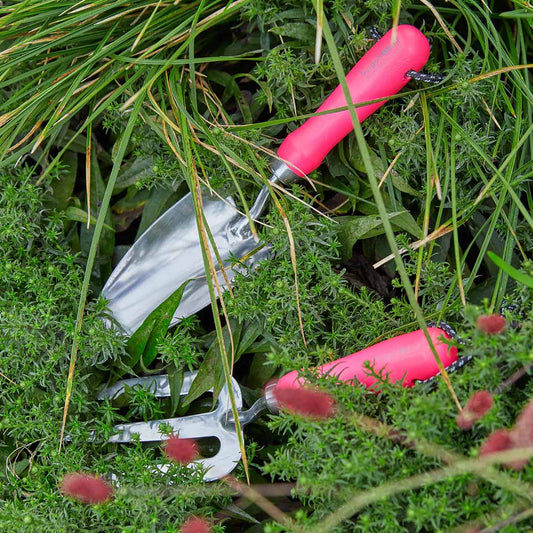
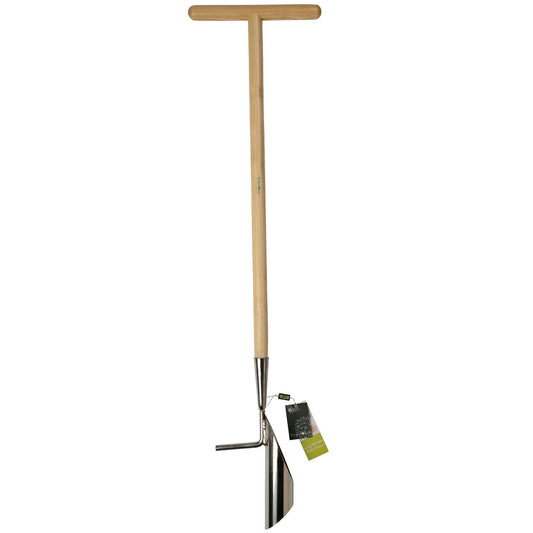
Mower; fertiliser; fork; spade or shovel; lawn rake; top dressing.
Optional: hired tools/machinery for different jobs listed.
|
|
 |
 |
 |
 |
 |
|
As your lawn winds down and grows slower, raise the cutting height of your mower, and change the frequency of mowing. You'll be guided by the weather, as this affects growth rates.
|
|
 |
 |
 |
 |
|
Replace lost nutrients by applying an autumn lawn fertilizer. This will have a different mix of the relevant goodies (nitrogen, phosphorous, potassium) to a spring one. Autumn fertilizers will have a lower proportion of nitrogen, to avoid making it produce too much lush, soft growth. See Workshop How to apply fertilizer to lawns.
|
|
 |
 |
 |
 |
|
Aeration is making holes in your lawn to bring in fresh oxygen and to stop compacting. It is important since it helps grass roots to grow deeply. It stops the soil beneath your lawn's surface from becoming compacted, and reduces an excessive build up of thatch. On domestic lawns, aeration is done by scarifying, slitting, spiking and hollow tining.
|
|
 |
 |
 |
 |
|
Scarifying your lawn removes the layer of dead grass and grass clippings that will have built up during the summer and which can choke new growth in the spring. If you have a large lawn you can hire (or buy) a powered scarifier, this will save you time, and hard work. If you have a moss problem, use a moss killer before you scarify, so that you don't spread it around. Follow the instructions on the moss-killing product you buy. Work the machine across your lawn as you do when mowing. Cover the lawn in two directions to remove the maximum amount of thatch. Usually you can scarify by hand. Use a lawn rake with spring tines - a rake with a splayed head. Really push the tines of the rake into the surface of your lawn and pull it back. Vigorous hard scratching is what's required. To do this effectively is really hard work! Also, if you have a moss problem, kill this with a special killer before you start.
|
|
 |
 |
 |
 |
|
Slitting and spiking are two more forms of aeration that make deep holes in your lawn. Machines can be hired for both jobs: a slitting machine has blades like knives that slash into the surface of your lawn up to a depth of 8-10cm. The slit's cuts encourage healthy lawn growth. A spiking machine has spikes on a rotating drum that dig into the ground. Small lawns can be spiked by hand using your garden fork. Lean the fork out so that the tines go into the lawn fairly straight, then pull it back to let in more air. You should be raising the turf slightly without breaking it up.
|
|
 |
 |
 |
 |
|
An alternative to slitting and spiking is hollow tining. This is a three in one job that removes thatch, aerates soil and relives compaction. Mechanical tining machines can be found, but you're more likely to see a hand hollow tiner. This tool looks like a fork with straight, larger tines. Use this to work across your lawn, in rows will give best results. Push the tines into the ground with your foot. The remove and lift out cores of grass and soil which are emptied onto the ground. When you've finished, rake up the cores - these can be composted. The holes are then ready to fill with layer of top-dressing.
|
|
 |
 |
 |
 |
|
Autumn is the time to top dress your lawn. The ingredients are a mixture made from 6 parts medium-fine sand, 3 parts sieved soil (or John Innes compost), and 1 part peat, peat substitute or leaf mould. Apply the top dressing after scarifying or hollow tining your lawn. The sandy texture helps to keep the drainage of the lawn in good condition, stopping the holes you've made from closing up. Mark out the lawn. Work out the right application rate: after scarifying, 1kg per sq m; after hollow tining and scarifying, 3kg per sq m. Mix and weigh out the amount you need.
|
|
 |
 |
 |
 |
|
Machine spreading: apply top-dressing on a dry day. Use the machine as you would when applying a fertilizer to the lawn. Push it up and down in rows. When you have finished, take a brush or besom and push the mixture into any holes. Water your lawn. Hand Spreading: use a spade or shovel to spread the mixture evenly over your lawn. When you have finished, take a brush or besom and push the mixture into any holes. Water your lawn.
|
|
 |
 |
|
 Scratch the lawn all over with a lawn rake |
 Aerate the lawn by digging in a fork |
 Mix up a top-dressing and spread it over the lawn |
|
|
|
|
 |

|
Subscribe to receive special offers
|

 |
 |
| We now accept PayPal payments |
 |
 |
 |
|


|
Phone Calls Welcome!
|
|
|
0845 345 0728
|
We are happy to answer any questions you may have during office hours. Bulk discounts available.
|
|
|
|