

|
 |
 |
 |
How to Plan a Vegetable Patch

Your vegetable garden layout will depend on how much space you can give it and what you want it to produce. Reasons why you may want to grow vegetables include: self-sufficiency; to produce gourmet or unusual vegetables; to grow well-flavoured vegetables; for freezer stocking; to stretch a budget and save money. Most vegetables are annuals, but there a few useful perennials that you may want to include: asparagus, globe artichokes, rhubarb. These are best planted separately from annual crops. The following steps cover most of the major points you need to consider when making a start.
|
|
|
|
 |
 |
 |
|
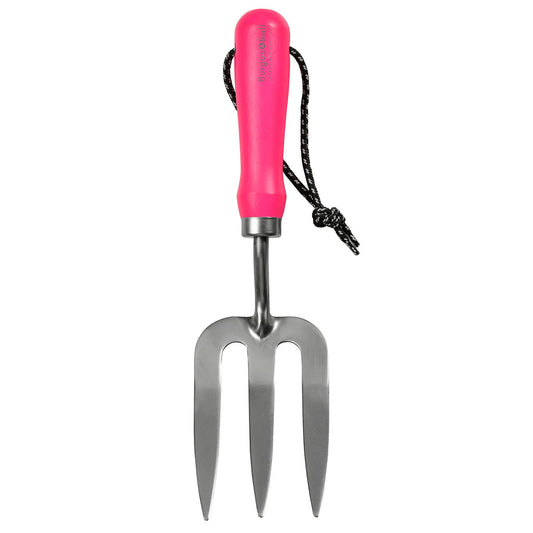
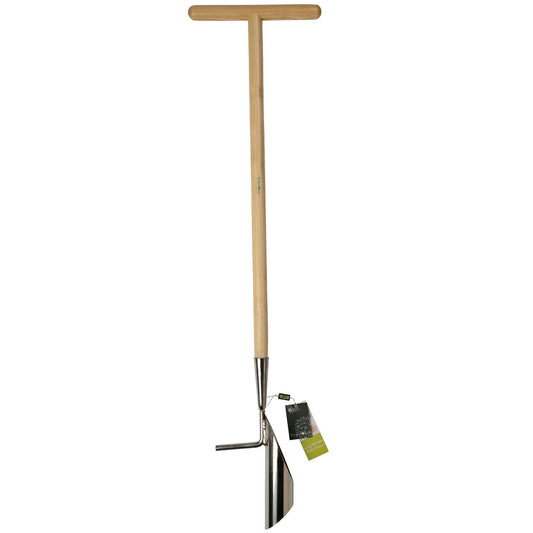
Suitable plot of ground; tools; veg seeds and/or plants.
|
|
 |
 |
 |
 |
 |
|
Position and Climate. Where you put your vegetable plot depends on the size of your garden and the growing methods you plan to use. Most vegetables only grow between spring and autumn, when the average daytime temperature is above 6C (43F). Where you are geographically has a bearing on this. You can control climatic conditions to some extent by planning your vegetable plot to be in a sheltered position, open to receive the maximum amount of light and in a place where the soil warms up quickly. Seasons can also be extended by growing under the cover of cloches, mini polytunnels and membranes which protect plants.
|
|
 |
 |
 |
 |
|
Rotation of Crops. Rotation is varying where you grow your vegetables in consecutive years. Plant vegetables in different places or a different bed. A four year cycle is usual. The advantages are: 1. It helps prevent soil borne pests and diseases specific to one crop form building up. Growing the same vegetable in the same place encourages crop specific pest and disease to increase and become a serious problem. Well known baddies include club root attacking cabbages and other brassicas and potato and tomato eelworm. 2. Natural benefits of particular crops are extended. Seed Potatoes are excellent cleaners, their leaves cover the soil and smother weeds. The legume family i.e. peas and beans, have roots which help to fix nitrogen in the soil. This is excellent food for the next crop - such as nitrogen hungry cabbages, spinach and potatoes. 3. Salad crops don't fall into specific categories and can be used to fill in gaps in your vegetable plots. The one main disadvantage is that a much longer time scale is really required to keep diseases away effectively. Some infections can live in the soil for 20 years. Lack of space will likely make this impossible in your garden.
|
|
 |
 |
 |
 |
|
Don't despair if you have very limited space. Vegetables can be grown in containers placed on concrete patios, low walls, balconies, roof gardens. It's more of a challenge than growing vegetables in open ground, but by choosing dwarf and decorative varieties, you can achieve good looking and top tasting displays. One simple system is to divide your plot up into a series of smaller rectangular sections, each one several metres wide. Grow your vegetables in rows wide enough for you to work without trampling the next one.
|
|
 |
 |
 |
 |
|
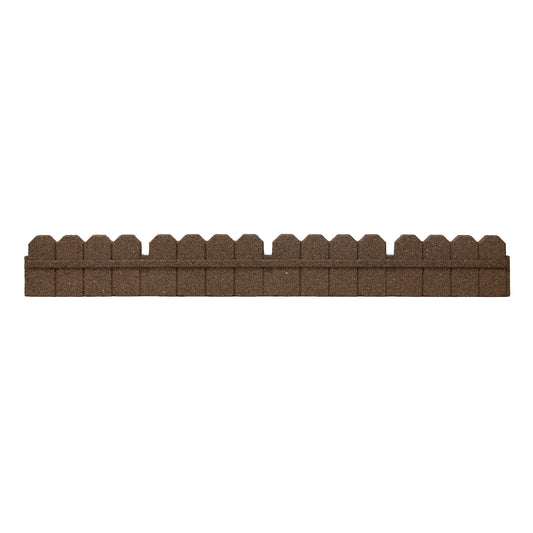
It has become more popular to grow vegetables in smaller, narrower beds, evenly spaced and usually separated by narrow paths. You can make beds any shape, but the purpose of this method is to allow you to sow, plant, care and harvest your crops without trampling on the soil. A maximum width of 1.5 m should allow for this. A bed system also enables you to concentrate on feeding the soil where it is needed, around crops, not on pathways. You can use the space you have to best advantage as competition between plants is minimised. You can draw up a formal design, with beds symmetrically arranged around a central feature or trained fruit tree. This is referred to as a potager, a French style vegetable garden. Paths can be surfaced for better wear and tear, or left as grass.
|
|
 |
 |
 |
 |
|
Basic planning. Rotation does make good sense, so build it into your vegetable plot plans. Make a list of the main vegetables you want to grow. Make a plan of your vegetable beds. Plan how to grow what you want in rotation, alternating crops as shown in the chart. If you can be bothered, draw up a month by month chart. Fill it in with your list of crops to show you what will be in the ground and when. This will help you to see the vegetables that are sown once a year (parsnips, beans) with the crops that can be sown on a repeating basis (lettuce, radishes).
|
|
 |
 |
|
 Make a series of small beds for easy access |
 Label the different areas for efficient rotation |
 Change veg in each bed from year to year |
|
|
|
|
 |

|
Subscribe to receive special offers
|

 |
 |
To be notified of exclusive offers Follow Us On: |
 |
 |
 |
 |
 |
|
OUR DEAL OF THE WEEK
|
|
HURRY THESE DEALS DON’T LAST LONG!
|
SAVE 38%
|
| Usual Price 79.99 |
This Week Only
49.99 |
|
|
 |
 |
| We now accept PayPal payments |
 |
 |
 |
|

The UK's favourite online garden store
|
|
|


|
Phone Calls Welcome!
|
|
|
0845 345 0728
|
We are happy to answer any questions you may have during office hours. Bulk discounts available.
|
|
|
|